 (1).webp)
How Myths Explain Natural Phenomena
How Myths Explain Natural Phenomena
Before the development of modern science, ancient civilizations relied on mythology to explain the natural world. Events such as storms, earthquakes, the changing seasons, and the movement of the sun and stars were mysterious and often frightening. Myths provided meaningful explanations that helped people understand and emotionally cope with these powerful forces of nature.
Across different cultures, mythology served as an early attempt to interpret natural phenomena through storytelling and symbolism.
Why Ancient People Used Myths to Explain Nature
Ancient societies did not have scientific tools or knowledge to explain natural events. As a result, they created myths to make sense of what they observed.
Myths helped people:
- Understand unpredictable natural events
- Reduce fear of natural disasters
- Find meaning in environmental changes
- Connect nature to divine or spiritual forces
By attributing natural phenomena to gods or supernatural beings, people felt a sense of order in an unpredictable world.
Thunder and Lightning in Mythology
One of the most common natural phenomena explained through myths is thunder and lightning. Many cultures believed these were the actions of powerful gods.
For example:
- In Greek mythology, Zeus was believed to throw lightning bolts from the sky
- In Norse mythology, Thor created thunder using his hammer, Mjölnir
- In Hindu mythology, Indra was associated with storms and rain
These explanations helped people understand the power and suddenness of storms.
Earthquakes and Volcanic Eruptions
Natural disasters like earthquakes and volcanic eruptions were also explained through mythology.
Different cultures believed:
- Giants or gods were moving beneath the Earth
- Angry deities were shaking the ground as punishment
- Mythical creatures lived underground and caused eruptions
For instance, in some ancient Greek beliefs, earthquakes were linked to Poseidon, the god of the sea and earthquakes.
The Sun, Moon, and Stars
Celestial bodies were often seen as divine beings or objects controlled by gods.
Common mythological explanations include:
- The sun being a god traveling across the sky each day
- The moon representing a goddess or spirit changing forms
- Stars being the souls of heroes or divine watchers
In Egyptian mythology, Ra was believed to travel across the sky in a solar boat, bringing light to the world.
Seasons and Natural Cycles
Myths were also used to explain the changing of seasons and agricultural cycles.
For example:
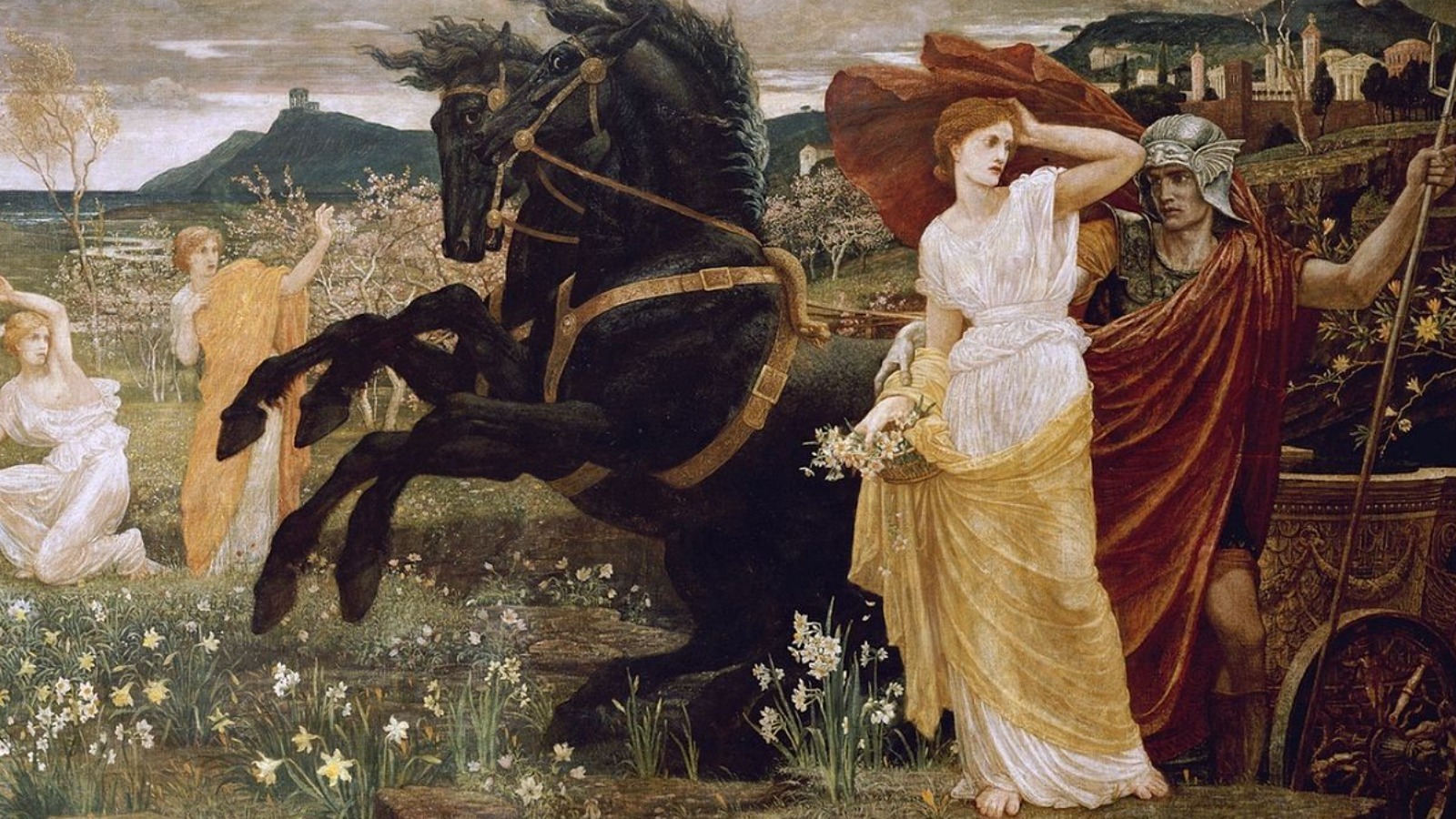
- In Greek mythology, the story of Persephone explained winter and spring
- Her time in the underworld caused winter, while her return brought spring and growth
- Similar stories exist in other cultures linking fertility and nature cycles to divine actions
These myths helped agricultural societies understand planting and harvesting seasons.
Rivers, Oceans, and Weather
Water-related phenomena were often connected to gods and spirits.
Ancient beliefs included:
- Sea gods controlling waves and storms
- River spirits protecting or punishing communities
- Rain being a gift or anger of divine beings
In Norse mythology, the sea was ruled by the god Aegir, while in Greek mythology, Poseidon controlled oceans and storms.
The Role of Symbolism in Natural Myths
Myths were not just literal explanations but also symbolic interpretations of nature. They reflected human emotions, fears, and respect for the environment.
Natural phenomena were often:
- Personified as gods or spirits
- Linked to moral lessons
- Used to explain human experiences through nature
This symbolic thinking helped ancient people connect deeply with the world around them.
Yorumlar