 (1).webp)
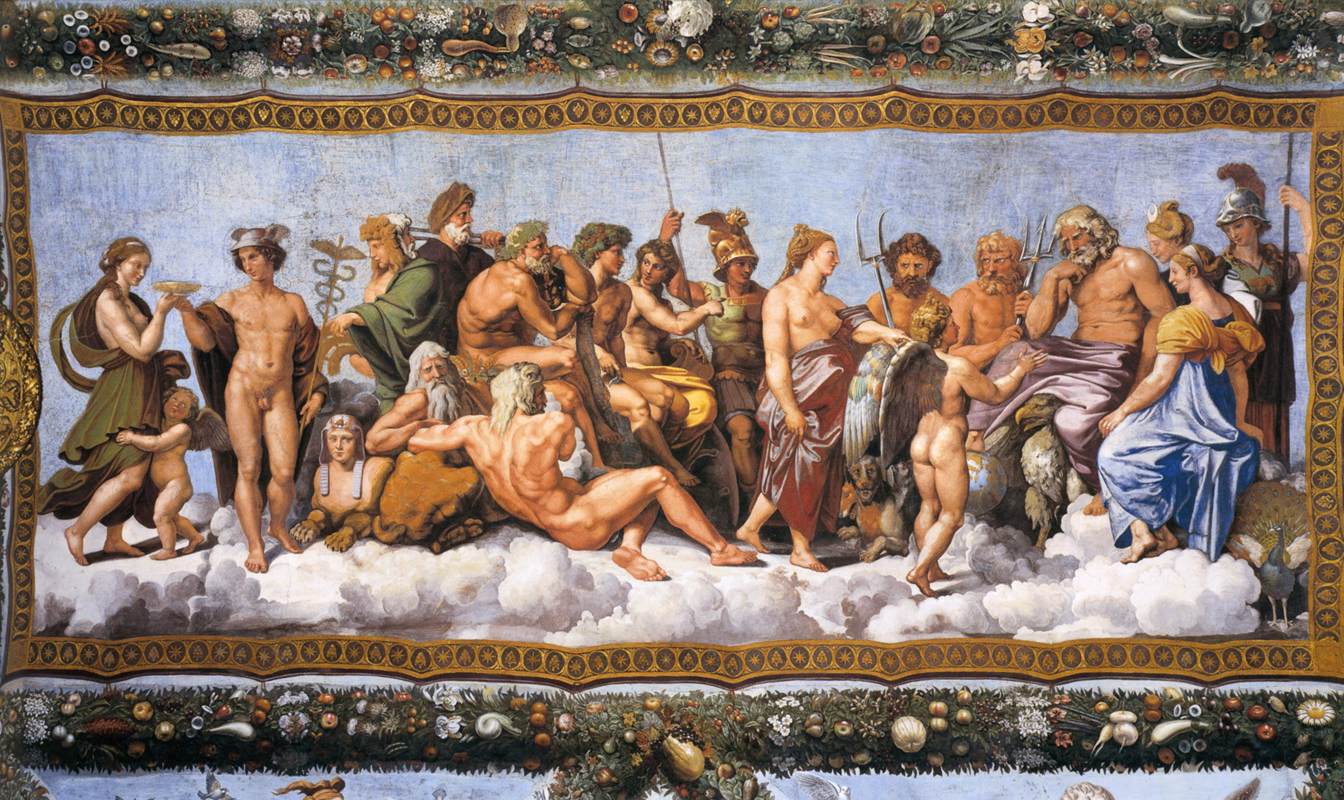
The Role of Mythology in Ancient Cultures
The Role of Mythology in Ancient Cultures
Mythology played a central role in shaping ancient civilizations. It was not just a collection of entertaining stories but a powerful system of beliefs that influenced religion, politics, education, and daily life. Ancient people used myths to explain the world, define moral values, and strengthen their cultural identity.
To understand ancient societies, it is essential to explore how deeply mythology was integrated into their culture and way of life.
Mythology as an Explanation of the World
One of the most important roles of mythology in ancient cultures was explaining natural phenomena and human existence. Without scientific knowledge, people turned to myths to make sense of the world.
Mythological stories explained:
- The creation of the universe
- The origin of humanity
- Natural events such as storms, earthquakes, and seasons
- Life, death, and the afterlife
These explanations helped people feel that the world was meaningful and ordered rather than random.
Mythology and Religion
In many ancient civilizations, mythology and religion were deeply connected. Myths often described gods, divine powers, and sacred events that were central to religious belief.
People used mythology to:
- Understand the behavior and will of gods
- Justify religious rituals and ceremonies
- Strengthen faith and spiritual practices
Temples, sacrifices, and festivals were often based on mythological stories, making mythology a foundation of religious life.
Mythology as a Moral Guide
Myths were also used to teach moral values and social rules. Through stories of gods, heroes, and punishments, ancient societies communicated what was considered right and wrong.
For example:
- Heroes who showed courage were rewarded
- Characters who disobeyed gods were punished
- Loyalty, honesty, and respect were praised
In this way, mythology helped maintain social order and encouraged ethical behavior.
Mythology and Political Power
Rulers in ancient civilizations often used mythology to strengthen their authority. Kings and emperors sometimes claimed to be chosen by gods or even related to divine beings.
This connection between mythology and politics helped:
- Justify leadership and royal power
- Unify people under shared beliefs
- Strengthen loyalty to the ruler
Mythology was therefore not only spiritual but also a political tool.
Mythology and Cultural Identity
Mythology played a key role in preserving cultural identity. Each civilization had its own set of myths that reflected its values, environment, and worldview.
For example:
- Greek mythology emphasized heroism and human-like gods
- Egyptian mythology focused on the afterlife and divine order
- Norse mythology highlighted fate, war, and survival
These stories helped communities feel connected to their heritage and traditions.
Mythology in Daily Life
Mythology was not separate from everyday life in ancient cultures. It influenced art, architecture, festivals, and education.
People saw mythological symbols in:
- Temples and statues
- Ceremonial practices
- Oral storytelling traditions
- Early forms of literature and poetry
Myths were a constant presence in both public and private life.
Yorumlar